1. Decide which orders you want to grow
“Sell more flowers” is too broad to guide a week of marketing. Choose a useful starting point: local birthday deliveries, weekly office flowers, small weddings or sympathy arrangements. Each has a different buyer, deadline and buying question.
Pick an offer you can supply reliably and describe it in one sentence: what it is, who it is for and where you serve. Put that sentence beside a relevant photo. An office subscription needs information about frequency and delivery; a bridal enquiry needs examples of your style, availability and process.
Build a small, coherent collection around that offer. A handful of well-explained options gives you a focused destination for search traffic, social posts and referrals. Check that the work fits your capacity and costs before promoting it.
2. Make it easy for nearby customers to find you
Check that your website and business listings agree on your shop name, service area, contact details and current hours. A customer looking for flowers today should be able to tell whether you deliver to their location and whether the order can arrive in time.
Google’s local-ranking guidance recommends complete, accurate business information and responding to reviews. Google also explains that local results depend on relevance, distance and prominence. Photos help show what you offer; adding a polished image alone does not secure a higher ranking.
- Create a clear page for the services you actually provide, with delivery areas and a visible order or enquiry link.
- Keep genuine photos of your shop, team and completed work where customers need evidence of the real business.
- Ask customers for honest feedback after successful orders and respond helpfully to reviews.
- Connect social posts to the relevant collection or service page, rather than sending everyone to a general homepage.
3. Give your product photos a job in the sale
A buyer cannot smell the flowers or see your workmanship in person. The lead image has to make the arrangement understandable and worth a closer look. A cluttered workbench, poor light or a tight crop can make that harder.
This is evidence that images matter to shoppers. It is not a florist-specific conversion rate or proof that an AI edit will increase sales. The useful takeaway is to make the quality and character of your actual work easier to evaluate.
Give each arrangement a clear lead image, a detail view and accurate context for its size. Describe the vase, approximate dimensions and any seasonal variation in words. If a prop is not included, say so. Keep product names, prices and order buttons close to the photos.
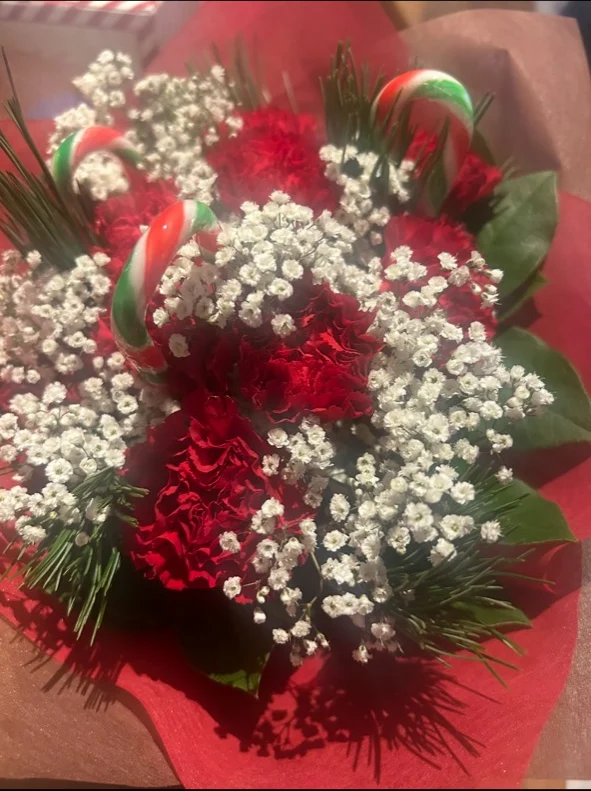
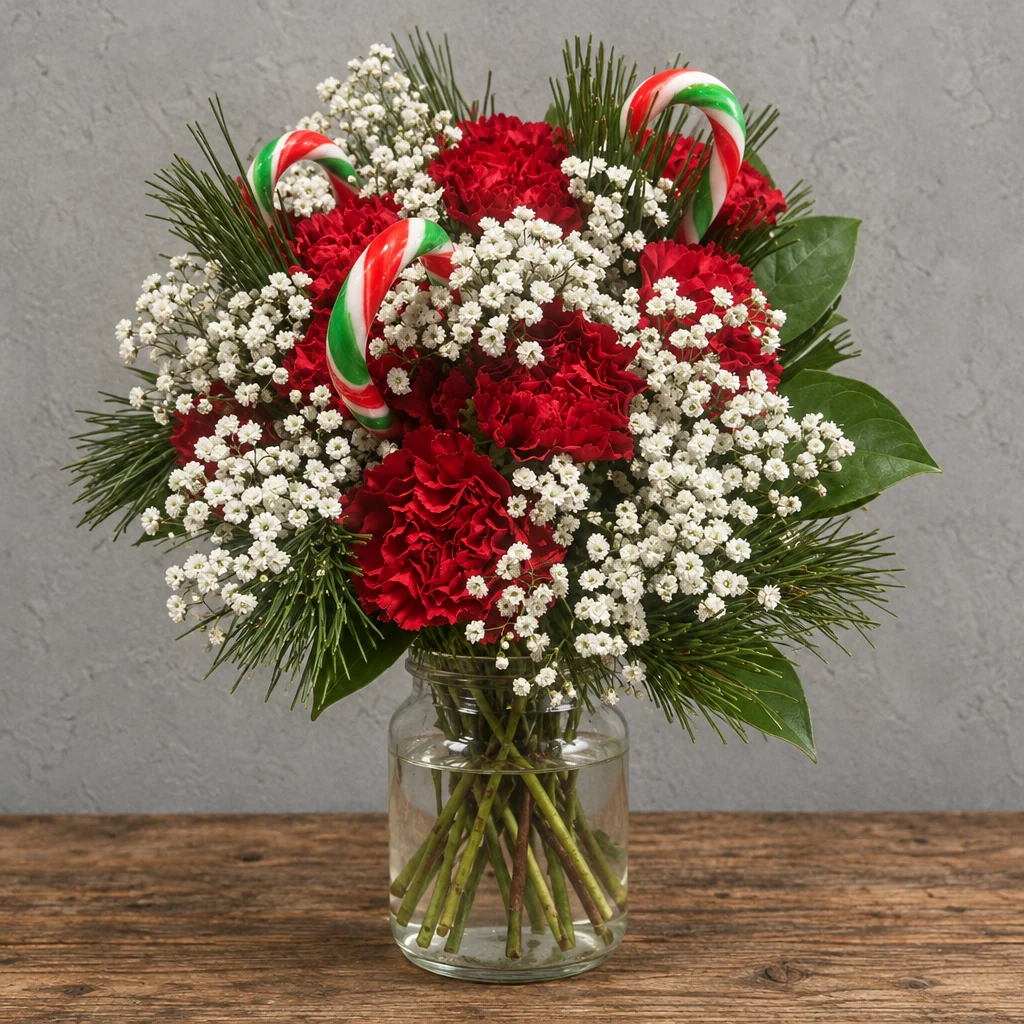
The comparison above shows how a different setting can bring an arrangement forward. If you use AI, compare flower types, colour, condition, vase and proportions before publishing. A beautiful image that promises something different from the delivered bouquet can damage trust.
4. Build a photo routine you can repeat
Set aside one uncluttered spot with even window light. Photograph a completed arrangement before it leaves, with the whole bouquet and vase visible. Take the useful angles while the actual flowers are still there; editing cannot verify details that were never photographed.
Shopify’s product-photography guidance recommends removing visual distractions and keeping camera placement consistent. You can apply that to a small flower-shop collection without buying a complete studio setup.
- Use a consistent camera height, framing and quiet background.
- Keep a sharp original and a close-up of the flowers and finish.
- Review edits against the original before using them in a listing.
- Prepare a website image and social crops from the reviewed photo.
- Use your shop branding where it does not cover product details.
A photo editor or staging tool can help with presentation and repeat formats. It should support this routine, while you remain responsible for showing what a customer can actually order.
5. Remove the questions that delay an order
Open your most important collection on a phone and imagine buying for tomorrow. Can you find the price or a useful starting range, delivery area, order cutoff, size and next step without hunting through a social profile?
For ready-to-order flowers, make the product and delivery choices clear. For custom work, explain how the enquiry works and what you need: occasion, date, location and a rough budget. Give a realistic expectation for your reply instead of leaving the customer wondering whether the message arrived.
Match the promise in a post or advertisement to its destination. A birthday-bouquet ad should land on birthday options, not a wedding gallery. Better imagery can earn attention; a clear offer and workable ordering process help turn that attention into an order.
6. Turn a good delivery into a reason to return
After a successful order, make your shop name and direct ordering route easy to remember. A care card, a useful order confirmation or a visible website address gives the customer a way back when the next occasion comes around.
Ask permission before featuring a customer’s event or sending future marketing. Share relevant reasons to return: a new seasonal collection, a subscription that suits their workplace, or arrangements for an upcoming occasion. Keep the message specific enough to be useful.
For event work, maintain a portfolio of completed projects and credit collaborators accurately when you have permission. For everyday flowers, keep a reliable collection visible between major holidays. The aim is to make your shop recognizable for a kind of work customers can buy again.
7. Measure orders, not just likes
Keep a weekly note of visits to the promoted collection, order or enquiry starts, completed orders, and where they came from. Separate local delivery orders from wedding enquiries because their buying cycles differ.
| What you see | What to inspect |
|---|---|
| Few relevant visits | Discovery, service area and the channel reaching the buyer. |
| Visits, few product views | The lead photo, offer and link destination. |
| Product views, few enquiries | Price clarity, delivery details and the next step. |
| Enquiries, few orders | Response time, availability and whether the request fits your offer. |
To test photos, keep the offer, price and audience as steady as practical. Compare clear originals with reviewed alternatives, using a split test if your store supports one. Avoid declaring a winner from a handful of visitors or a holiday week compared with an ordinary week.
Illustration only, not a benchmark: at the same 200 visits, a 3% order rate would mean six orders. Measure your own baseline and results.
A practical plan for your next seven days
Choose and check
Pick one collection. Record your baseline and fix missing delivery, pricing or order details.
Photograph and publish
Prepare clear images for that collection. Check them on a phone and connect a few relevant posts to it.
Review the journey
Check visits, enquiries and orders. Continue collecting data before deciding what to scale.
Make the arrangement easier to choose.
Floral Studio can stage a clear phone photo, help you compare the result and prepare branded social images or a PDF lookbook. Start with one arrangement from the collection you want to promote.
Try one flower photo free ↗One watermarked cream-background sample without sign-up, subject to daily availability. The full studio offers three lifetime trial credits with an account. Review every AI result.
Common questions
Will better flower photos guarantee more sales?
No. Photos help customers assess the work, while your offer, reach, prices, availability and ordering experience also affect sales. Test the change in your own shop.
Should I spend more on ads first?
Check that the destination answers the buyer’s questions and that you can measure completed orders or qualified enquiries. More visits will not resolve a confusing offer or a broken order flow.
Can I grow a florist business without a professional camera?
A sharp phone photo, even light and consistent framing are a useful starting point. Photograph real details and keep the original when you edit.
Research and sources
Sources checked October 20, 2026. Research describes its original setting; the action plans and examples are our recommendations. No sales lift has been measured for this app.
- Etsy: Why Product Photography Is Important ↗Buyer survey about the importance of photo quality; not a florist-specific sales experiment.
- Google: Improve your local ranking ↗Official guidance on complete business information, reviews, photos and local ranking factors.
- Shopify: Taking product photographs ↗Practical photography setup and presentation guidance.